






News and Articles
Load Optimization for Loose Load Delivery
Optimizing Truck Space: A Critical Move for Logistics
Efficient space management is a major challenge in logistics because empty space directly increases shipping costs. For businesses, the goal is simple: maximize every cubic inch of the truck to keep operations cost-effective. If space isn't used wisely, the business loses money.
The electronics and home appliance sector is a perfect example of this difficulty. These products are often fragile, vary widely in size, and are usually loaded individually (loose load) rather than on pallets. This makes arranging the goods like a complex puzzle where transport teams must balance safety with maximum efficiency.
What is Load Optimization?
Load Optimization is a core strategy for reducing costs and improving transportation efficiency. It refers to the process of maximizing the utilization of space within transport vehicles while considering various constraints such as product size, weight, fragility, and delivery sequence. Effective load optimization helps reduce costs, enhance safety, and shorten operational time.
Common Challenges in Loose Load Delivery
- Inefficient space utilization, resulting in additional trips, with average utilization at only 60–70%
- Product damage caused by improper stacking or movement during transportation (~2–5% damage rate)
- High cost per trip
- Lack of standardized practices, leading to inconsistent operations across teams
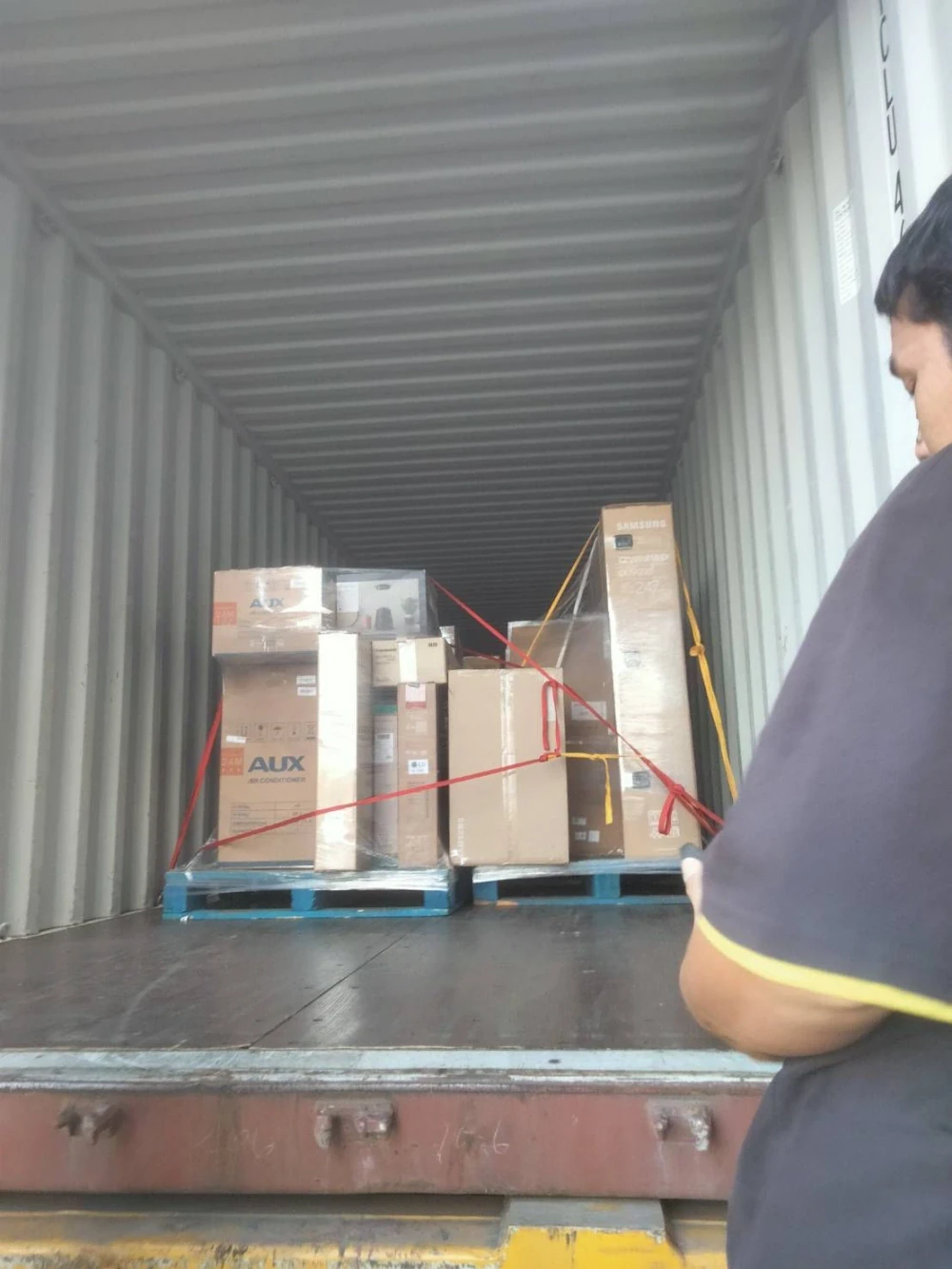
The implementation guidelines for Load Optimization comprise 5 main topics
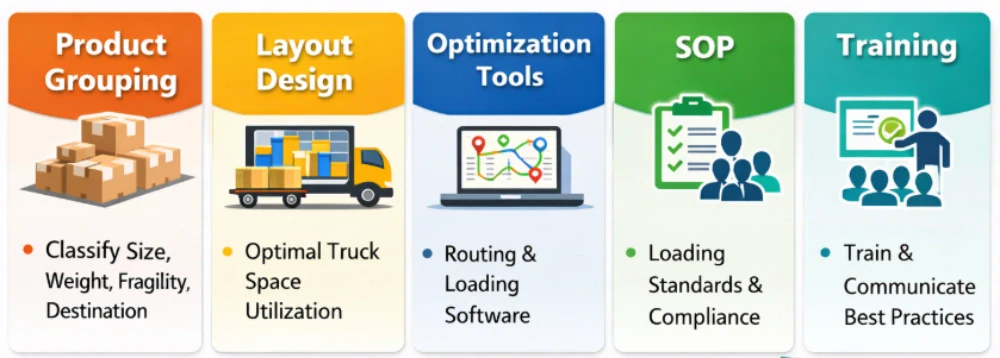
1. Product Grouping
The electronics and home appliance products are significant variance. Products should be grouped based on size, weight, and type, such as fragile items, large items, or delivery priority. This enables safer and more efficient arrangement.
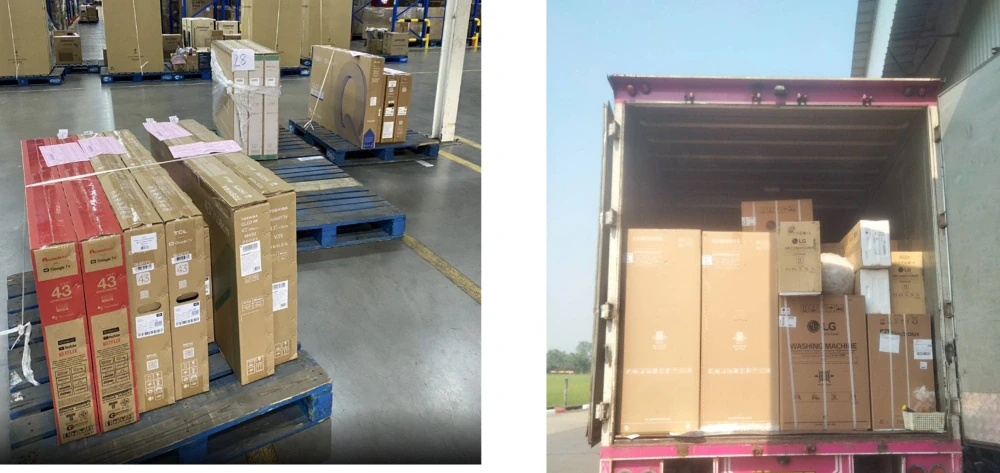
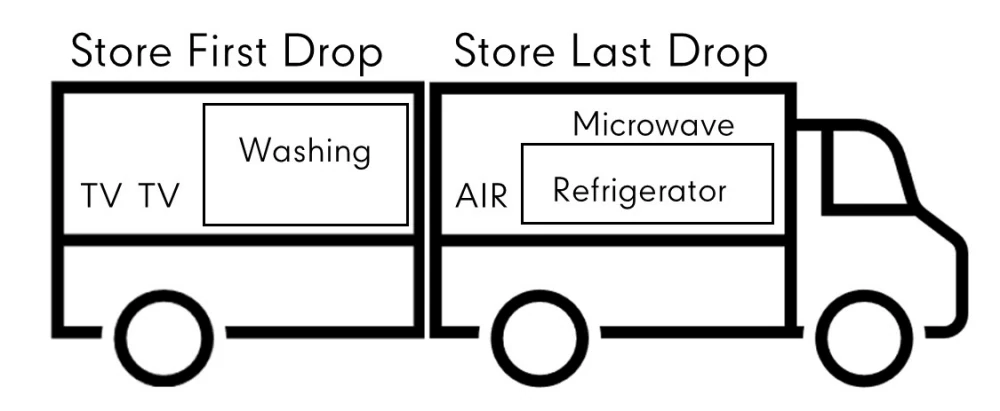
2. Loading Layout Design
Transportation of electronics and home appliance needs care due to its fragile and values. The delivery may go more than one destination per trip. To establish loading patterns within the truck and delivery sequences, such as route-based loading or arranging from heavy to light items can minimizes damage and reduces loading/unloading time.
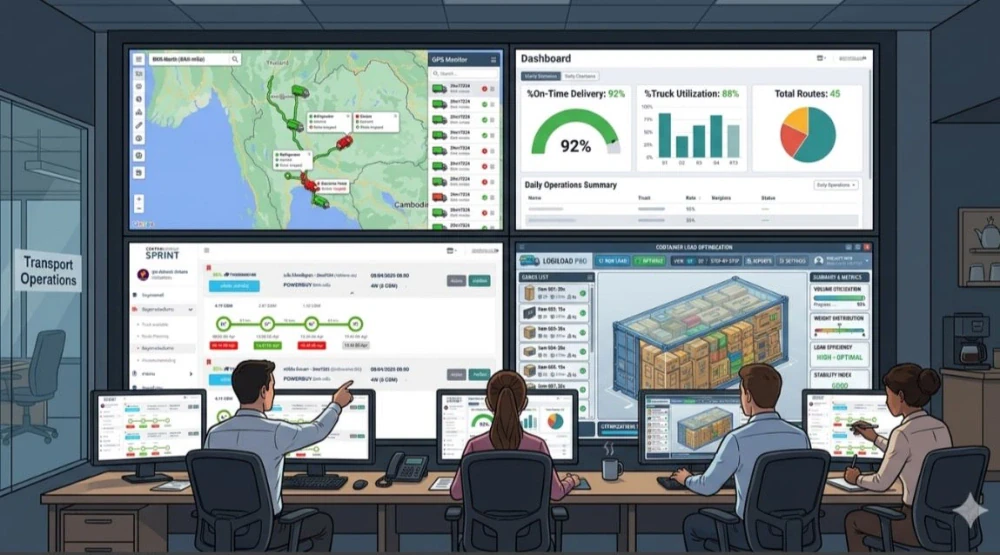
3. Optimization Tools
Leverage technology, such as Load Planning Software, significantly boosts logistics efficiency. It accurately calculates space usage and loading sequences, reducing human error while establishing a standardized workflow for the entire team.
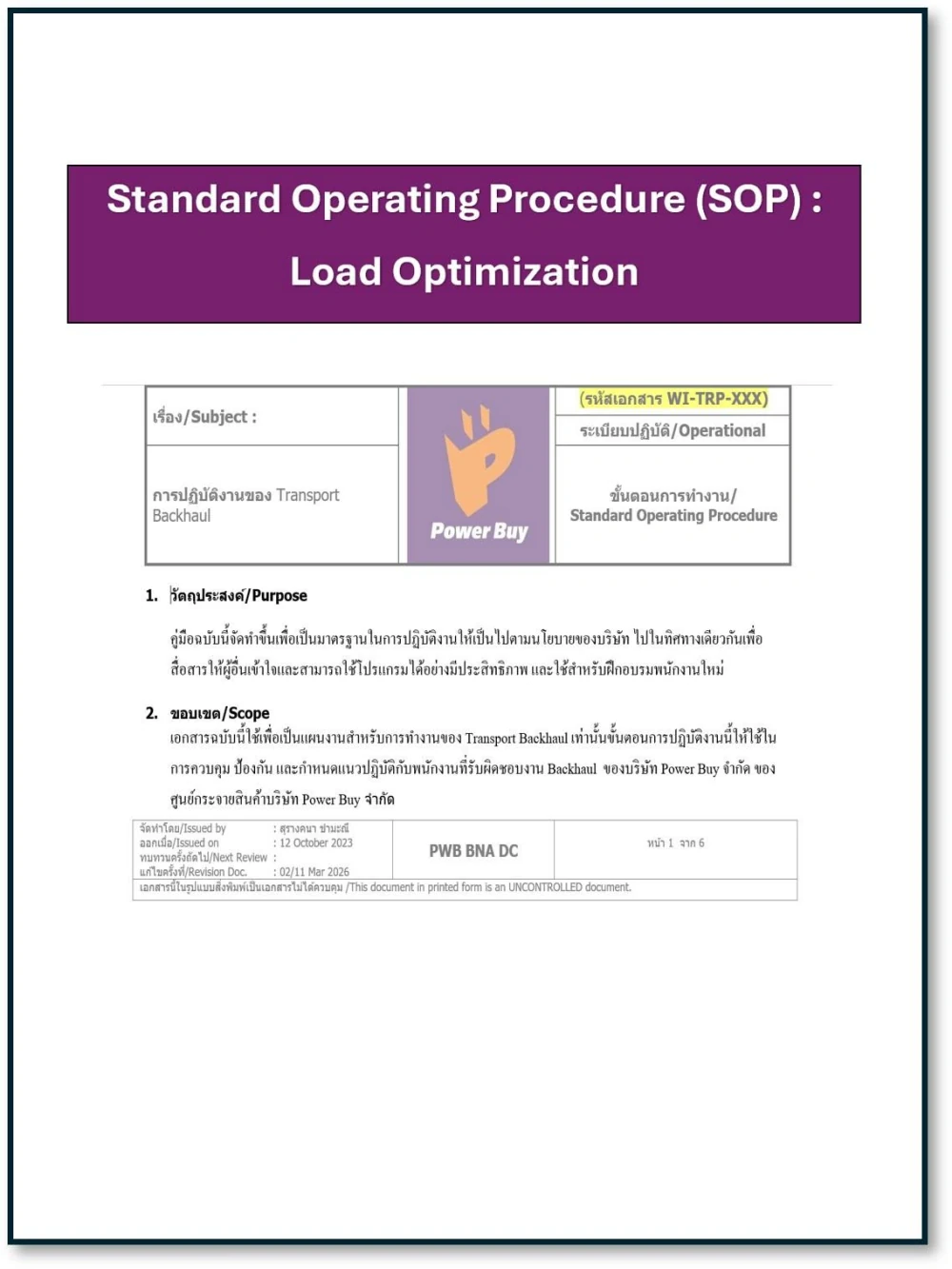
4. Standard Operating Procedure: SOP
Despite the technology, loose load shipping still relies heavily on manual labor and expertise. Develop standardized guidelines for load arrangement to ensure consistency and reduce operational discrepancies.
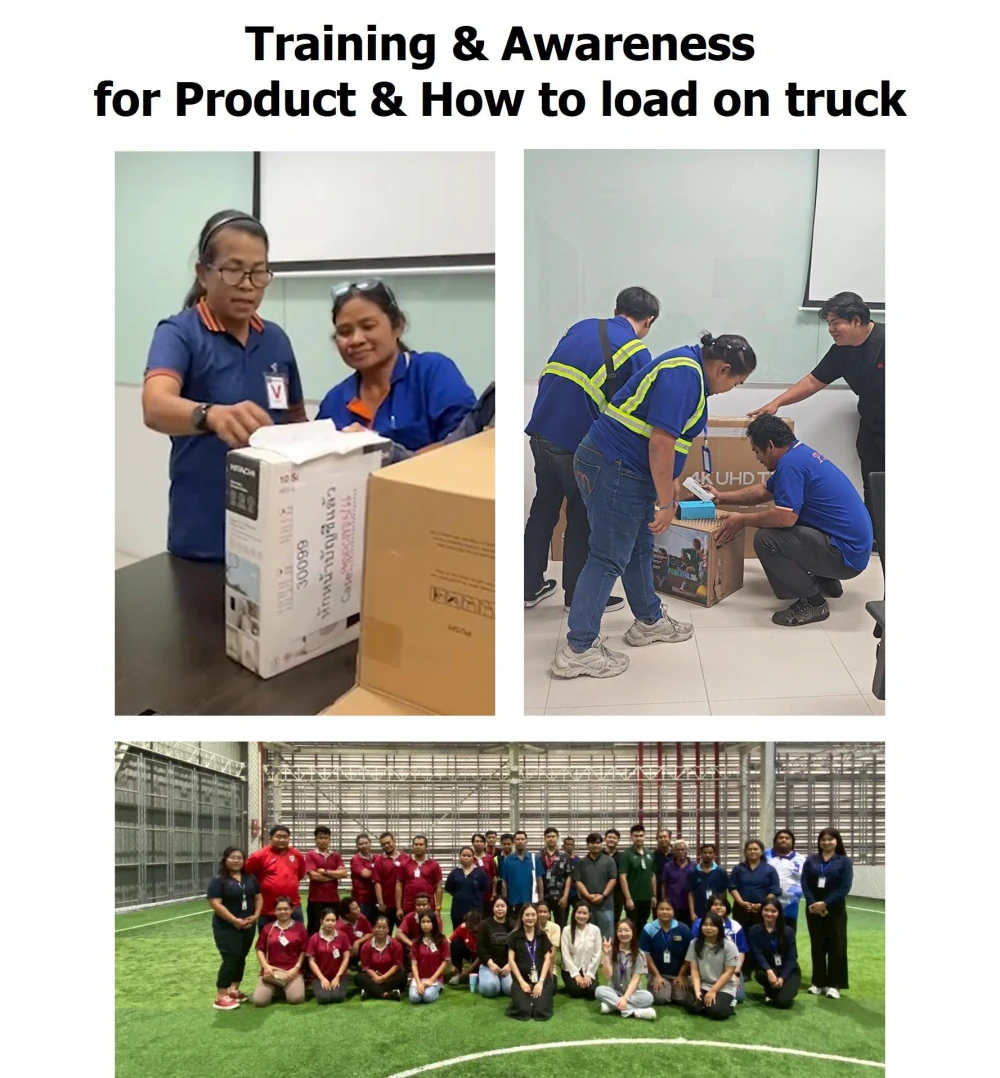
5. Training & Awareness
Upskilling staff to deeply understand product characteristics and Load Optimization principles is essential. By turning these concepts into practical skills, businesses can achieve a sustainable reduction in both transportation costs and cargo damage.
Key Benefits of Load Optimization
The implementation of Load Optimization delivers significant operational benefits, including a reduction in the number of transportation trips and overall logistics costs by at least 20%, a decrease in product damage rates to below 1%, improved speed and efficiency in loading and unloading processes, and enhanced resource utilization, increasing from 65% to as high as 90%.
Therefore, Load Optimization is widely recognized as a key enabler in enhancing the efficiency of loose load management, delivering improvements across cost efficiency, operational quality, and customer satisfaction. When systematically implemented, this approach not only strengthens operational performance but also supports long-term competitiveness and sustainable business growth. Contact CRL for consultation and service.